
Human Factors Integration | ETCS Rail Signalling | TfNSW Digital Systems Program
Challenge
To develop and deliver a fully integrated human factors program for Transport for New South Wales’ $880m Digital Systems Program and support the introduction of advanced train control and management systems to the Sydney rail network.
Approach
Acmena is utilising a Model Based Systems Engineering approach to more effectively integrate the project’s systems engineering, human factors and assurance programs and avoid the traditional difficulties associated with large scale projects.
Outcome
Acmena is continuing to provide key human factors, systems engineering and assurance support for Digital Systems as it progresses through the design phase.
Acmena delivers fully integrated human factors support for TfNSW's Digital Systems Program — aligning HFI with MBSE to optimise human performance across ETCS L2 and Traffic Management Systems.
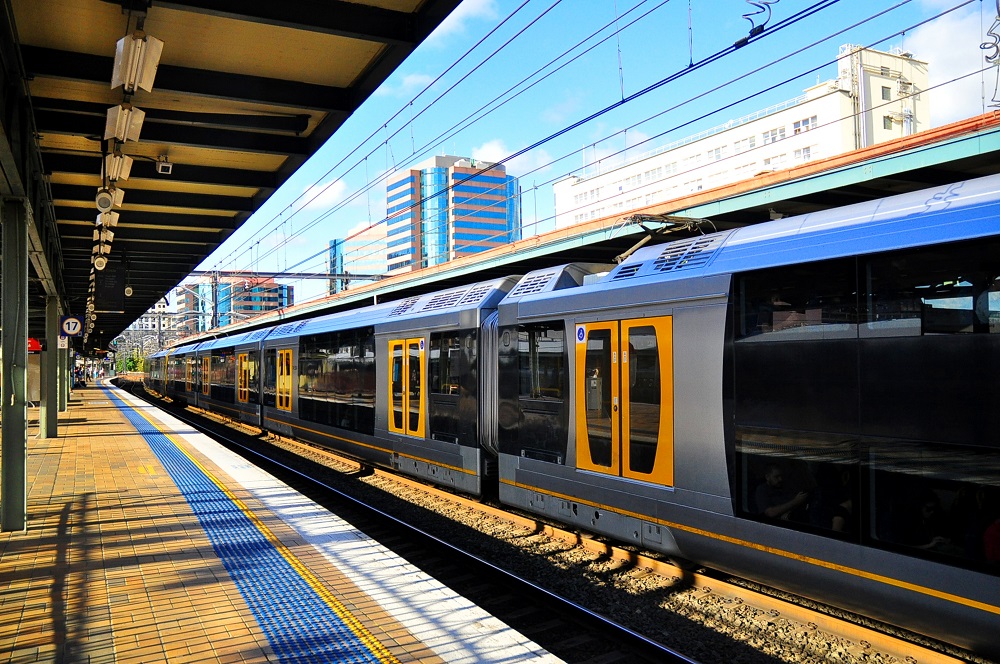
As part of Transport for New South Wales’ $4.3b ‘More Trains, More Services’ initiative, the Digital Systems Program aims to modernise the Sydney Trains network through the deployment of advanced signalling and control systems.
The latest ‘in-cab’ European Train Control System (ETCS) Level 2 technology will replace conventional trackside signalling equipment, while an intelligent Traffic Management System will enable real-time schedule management, in addition to faster incident response.
In 2018, Network Rail Consulting, along with partners Acmena, The Go-Ahead Group and Ineco, was appointed as Systems Integrator and given responsibility for the definition and management of technical, operational and program integration activities.
MBSE Framework for Fully Integrated Human Factors and Safety Assurance
Acmena was engaged to provide a range of systems engineering (SE), systems assurance (SA) and human factors (HF) services, in addition to managing the overall SE/SA program. To overcome the traditional difficulties associated with large, complex projects, a Model Based Systems Engineering approach has been implemented by Transport for New South Wales. Acmena is currently supporting this approach, which is enabling the team to more effectively integrate all three disciplines and provide greater value to the project.
By utilising a model as the single source of truth and adopting common systems engineering language throughout the project, Acmena was able to align its HF program with the overall top-down safety engineering strategy. Similarly, through linking HF activities to the model, Acmena has ensured that all HF issues and user interaction requirements were traceable, visible and integrated across the whole system architecture.
Acmena is also supporting the upgrade of the Driver Machine Interface (DMI) to ETCS L2 technology, in addition to the development of the Rail Operating Centre TMS and a handheld terminal for maintenance workers.
Optimising Performance in the Driver Machine Interface, Rail Operating Centre and Maintenance Terminal Systems
Instrumental in developing the initial project function definition, concept of operations and related scenarios, Acmena’s HF program has successfully defined ten goals for ensuring the new system is optimised for safe and efficient human performance. This has been achieved by identifying user interactions in the Digital Systems Model to derive requirements and map HF issues. Acmena’s HF package has also included the HF Plan, Issues Register, Assurance Report and User Interface Specification Documents, in addition to chairing an HF Working Group.
In December 2019 the partnership was awarded a 12-month contract extension and is currently providing key integration support for Digital Systems as it progresses through the design phase.
The Digital Systems Program represents one of Acmena’s most technically complex human factors integration engagements in Australia, demonstrating the value of embedding HFI within a Model Based Systems Engineering framework from the outset.
Profile
- Client: National Rail Consulting
- Cost: Confidential
- Services: Human factors integration, Human factors assurance, Human factors plan, User interface specification
Related Content:
Expertise
Human Factors