
Pedestrian Level Crossing Virtual Reality Trial
Acmena human factors specialists conducts virtual reality trials of new pedestrian level crossing and wayfinding designs
Challenge
Pedestrian incidents at rail crossings are a cause of major concern in Victoria and a leading cause of injuries and fatalities across Australia. As part of on-going efforts to improve safety, the Victorian Department of Transport and Planning (DTP) engaged Acmena’s human factors team to design, plan and execute a trial to evaluate a series of signage and wayfinding recommendations provided by the Victorian Rail Crossing Safety Steering Committee. The trial would provide an evidence-based assessment of the various signage and wayfinding options for the safest route across the pedestrian crossing and for operating the emergency exit.
Approach
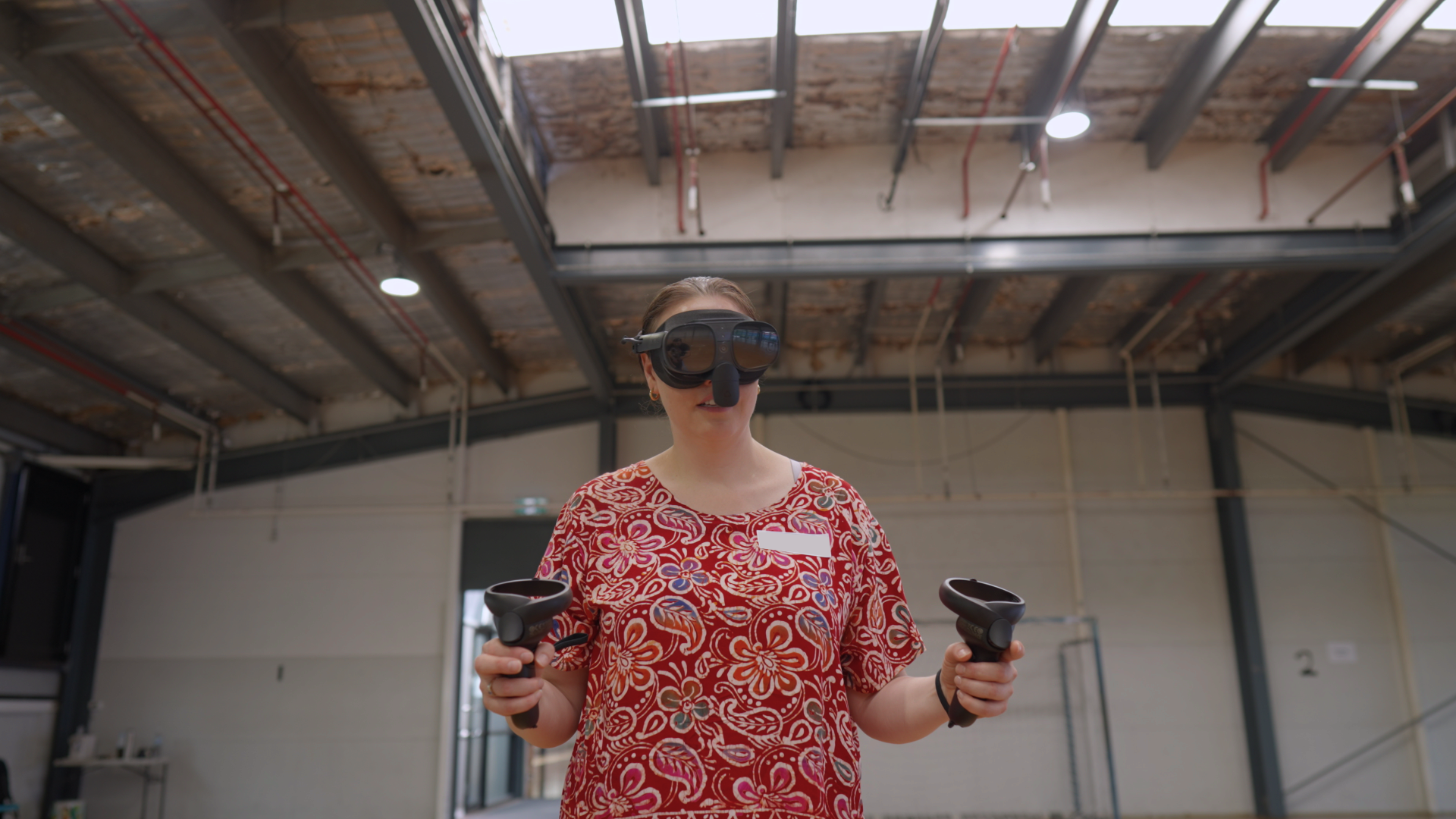
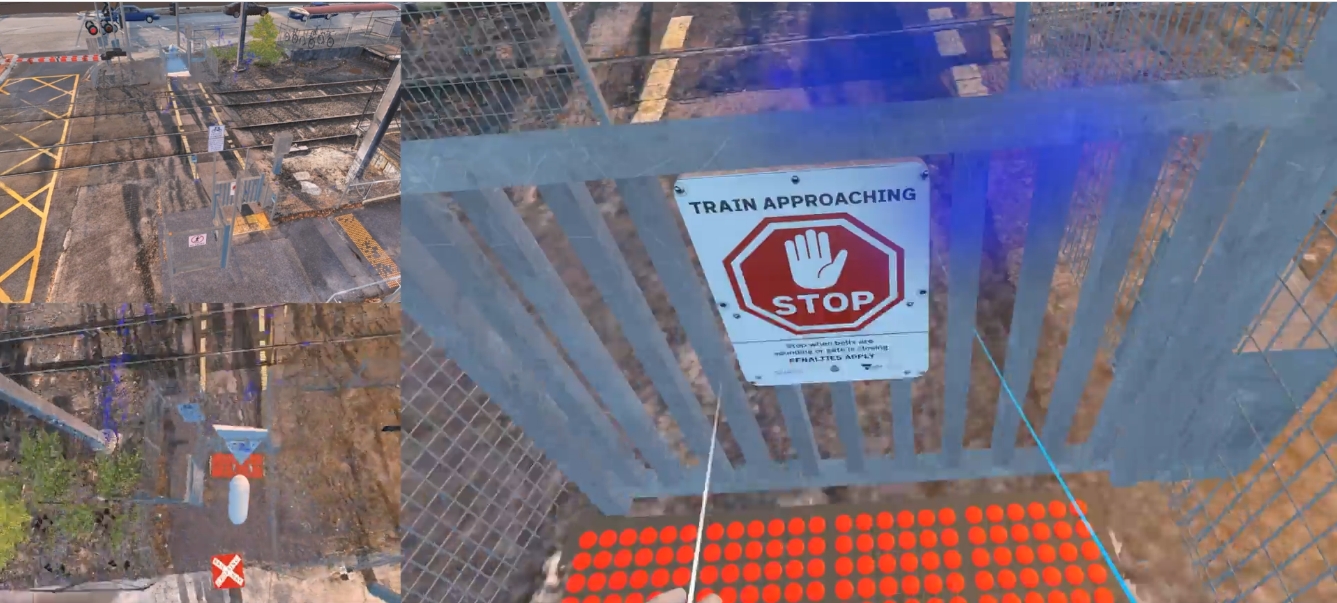
A high-fidelity reproduction of a pedestrian rail crossing at a Melboune station was created in virtual reality. Acmena recruited 80 participants representing a diverse cross-section of the public to test multiple designs in a virtual environment during a week-long trial. Eye tracking was used to understand how participants interacted with the various signage and wayfinding options. Visual and audio recordings of the participants’ behaviour were collected as they navigated the crossing. Participant interviews and performance data were also used to assess the usability of each design option from both a safety and a human factors point of view.
Outcome
Acmena provided DTP with an objective evaluation of the various signage options to support the proposed design changes. Not only will this improve the usability and safety of the crossing, the approach and its outcome will inform future projects. In addition, Acmena provided valuable behavioural data that can be used to support SFAIRP arguments on subsequent projects. By conducting the trials in VR, Acmena was able to deliver maximum value to the client. Not only did using VR negate the cost and environmental impact of building mock-ups for each design, it also enabled the trials to be conducted quicker, safer and without disrupting operations.
Profile
- Cost: Confidential
- Client: Department of Transport & Planning
- Objective: Improve pedestrian safety at rail level crossings by evaluating the usability of a series of wayfinding signage designs.
- Services provided: Human Factors, User Testing Methodology Development, VR Trial Planning & Execution, Wayfinding & Navigation Assessment
Related Content: Human Factors Services

Expertise
Human Factors